


Table of Contents
- Why Supply Chain Transparency Matters in Sustainable Apparel
- How to Verify Sustainable Fashion Claims Without Getting Fooled
- Ethical Clothing Brand Certifications That Actually Mean Something
- Best Eco Friendly Clothing for Professionals Who Lead With Values
- Greenwashing vs. True Transparency: What to Ignore and What to Trust
- Practical Steps to Start Your Transparent Supply Chain Wardrobe
- Conclusion
- Frequently Asked Questions
Last Updated: September 9, 2026
Why Supply Chain Transparency Matters in Sustainable Apparel
Sustainable apparel with transparent supply chains is clothing where every step, from raw fiber to finished garment, can be traced and verified by the buyer. This visibility covers where materials are grown or sourced, how workers are treated, and the environmental impact of each production stage. Without this level of openness, the term "sustainable" is just a marketing label.
For the conscious consumer, the garment on your back carries a hidden history. A shirt marketed as eco-friendly may still involve unethical labor practices or significant carbon emissions in its earlier production phases. Supply chain transparency closes the gap between a brand's stated values and its actual operations. At Nature Works, we believe that wearing your values requires knowing exactly what those values cost the planet and the people who make clothes.
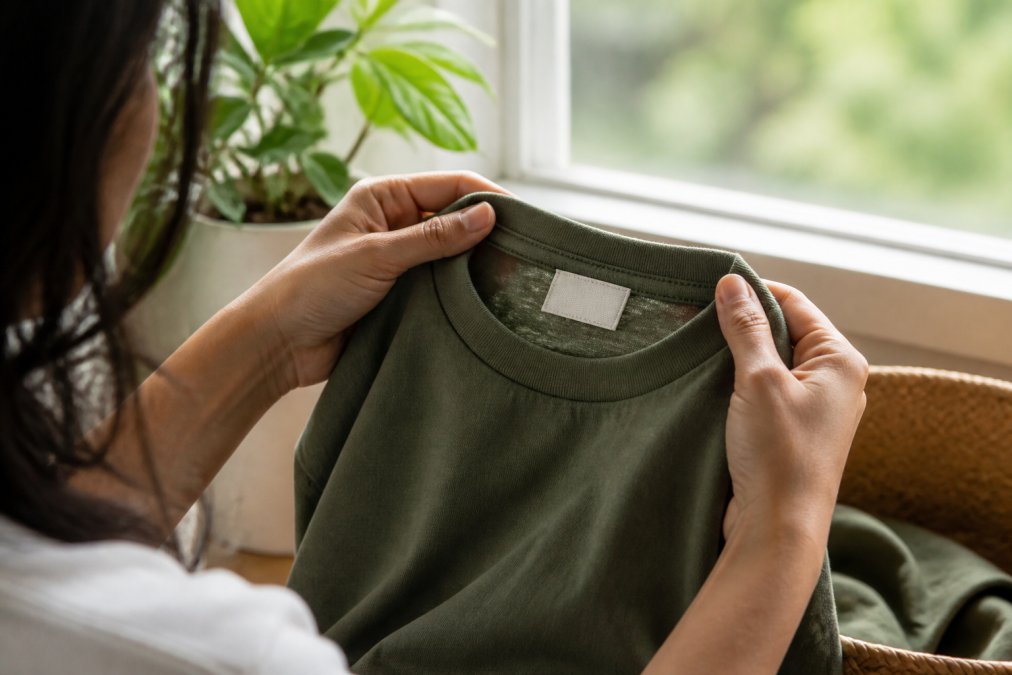
The push for radical transparency is not just an ethical preference; it is becoming a baseline expectation. The United Nations Guiding Principles on Business and Human Rights establish that companies have a responsibility to conduct human rights due diligence across their value chains. This framework is reshaping how apparel brands approach everything from raw material provenance to tier 1-4 supplier relationships. When a brand can show you the full journey of a product, it transforms a simple purchase into an act of informed advocacy.
How to Verify Sustainable Fashion Claims Without Getting Fooled
Verifying sustainable fashion claims requires a systematic approach rather than trusting a brand's marketing page. Look for specific, verifiable details about the supply chain rather than vague language about being "green" or "eco-conscious." A brand practicing genuine transparency will name its factories, disclose its material sources, and discuss its environmental impact assessment openly.
To check a claim effectively, follow this process:
- Examine the fiber origins. Look for specific information about where cotton, wool, or synthetic fibers were grown or manufactured. Vague references to "sustainable materials" without naming suppliers are a warning sign.
- Investigate the manufacturing footprint. Find out which countries and specific facilities produce the garments. Brands with transparent supply chains typically publish this information on their websites.
- Review the labor standards. Look for documented fair labor practices, including wage data and worker welfare programs. Social auditing results, when shared, offer concrete evidence.
- Assess the shipping and logistics. Consider the carbon footprint of moving goods from factory to your door. Localized production and low-impact shipping methods reduce overall environmental harm.
A common mistake is stopping at a brand's own website for information. Cross-reference claims with independent reports and news coverage. The Fashion Revolution's Fashion Transparency Index ranks major brands on their disclosure of supply chain policies and practices, providing an excellent third-party benchmark. If a brand scores poorly on these independent assessments, its marketing claims deserve extra scrutiny.
The Consumer Verification Toolkit: Moving Beyond the Label
Here is the practical toolkit that separates genuine transparency from polished marketing, tools you can use today, at the point of purchase.
Scan the QR code before you buy. A growing number of brands print QR codes on garment hang tags or care labels that link directly to product-level supply chain data. When you scan, you should be able to see the specific farm or mill that supplied the fiber, the factory where the garment was cut and sewn, and the logistics provider that shipped it. If the QR code leads to a generic brand homepage with no product-specific data, that is a red flag.
Check for blockchain-backed product passports. Several platforms now issue digital product passports for apparel, recording each transfer of ownership and transformation step in an immutable ledger. When a garment carries a blockchain-backed passport, you can trace its journey from raw material to finished good without relying on the brand's word. The technology creates a tamper-evident record that brands cannot retroactively alter.
Use the open databases that already exist. Beyond the Fashion Transparency Index, several independent databases let you check a brand's claims against reported data. The Open Apparel Registry maps factory names and locations across the industry, letting you see whether a brand's stated manufacturing partners match what is actually on the ground. The Sustainable Apparel Coalition's Higg Index provides standardized environmental impact scores for materials and products, though you should note that the index relies on self-reported data and has faced criticism for accuracy.
Verify certifications at the source. When a brand claims a certification like GOTS or Fair Trade, do not stop at the logo. Each certifying body maintains a public database of certified facilities and products. If a brand cannot point you to its listing in the certifier's database, the certification claim deserves skepticism.
The two-question test for any claim. First: Can the brand tell you the specific facility where this garment was made, and can you verify that facility exists? Second: Does the brand acknowledge trade-offs or limitations in its supply chain, or does it present a flawless picture? Brands practicing genuine transparency will name their imperfections because they cannot hide them.
Ethical Clothing Brand Certifications That Actually Mean Something
Not all certifications carry equal weight. The most credible ethical clothing brand certifications focus on verifiable standards with independent auditing rather than self-reported compliance.
The Global Organic Textile Standard (GOTS) is among the most respected certifications, covering both organic fiber content and social criteria throughout processing and manufacturing. Fair Trade Certified focuses specifically on equitable wages and safe working conditions for garment workers. The B Corporation certification evaluates a company's entire social and environmental performance, offering a broader view of corporate responsibility.
| Certification | Primary Focus | What It Covers |
|---|---|---|
| GOTS | Organic textiles | Fiber sourcing, processing, chemical use, social criteria |
| Fair Trade Certified | Worker welfare | Wages, working conditions, community development |
| B Corporation | Full business impact | Governance, workers, community, environment |
These certifications impose accountability through regular audits. When a brand displays these labels, it signals a commitment to sustainable procurement and responsible manufacturing validated by an outside organization. For professionals seeking best eco friendly clothing for professionals, these logos filter out brands that merely perform sustainability rather than practice it.
Best Eco Friendly Clothing for Professionals Who Lead With Values
For professionals who want their attire to reflect their principles, the best eco friendly clothing for professionals balances visual appeal with verifiable ethics. Subtle design elements, such as nature-inspired prints or thoughtful color palettes, can communicate your commitment without being distracting.
Nature Works transforms the humble T-shirt into a platform for environmental advocacy. The designs, inspired by nature and the way forward, spark conversations about environmental issues.
The real value of purpose-driven apparel lies in its ability to encourage reflection on personal choices and the future. When you choose clothing from a brand that promotes awareness regarding environmental protection, you are making a statement that extends beyond aesthetics. Colleagues and clients take notice of intentional consumption.
Greenwashing vs. True Transparency: What to Ignore and What to Trust
Greenwashing is the practice of conveying a false impression about a product's environmental benefits, and it is rampant in the apparel industry. True transparency, by contrast, is verifiable, specific, and often inconvenient because it acknowledges imperfections.
Ignore claims that rely on a single buzzword without supporting detail. Terms like "eco-friendly," "conscious," or "sustainable" carry little meaning without specifics about materials, processes, or supply chain mapping. Ignore imagery that evokes nature without substance, such as green leaves on packaging that contains conventional, resource-intensive fabrics. Ignore brands that highlight one positive initiative while remaining silent on broader operational impacts.
Trust brands that discuss trade-offs honestly. A company that acknowledges the challenges of achieving circular economy goals or reducing its carbon footprint demonstrates a level of candor that greenwashers avoid. Trust verifiable data, including life cycle assessment results and third-party certifications.
The Federal Trade Commission's Green Guides offer guidance on how the government views environmental marketing claims, helping consumers identify deceptive practices. These guidelines emphasize that environmental claims must be substantiated and specific. A brand practicing true transparency welcomes this level of scrutiny because it differentiates them from competitors who rely on vague assertions.
Practical Steps to Start Your Transparent Supply Chain Wardrobe
Building a wardrobe aligned with transparent supply chains is a gradual process that rewards intention over speed. Begin by auditing what you already own, identifying pieces that will last and those that need replacement.
Next, establish your personal criteria for new purchases. Decide which certifications matter most, what materials you prefer, and which brands meet your standards for supply chain visibility. When you do buy, prioritize quality and durability over quantity, recognizing that sustainable fashion is about reducing consumption as much as changing what you consume.
Ethical apparel often costs more upfront, but it typically lasts longer and carries a lower environmental impact per wear. Supporting brands that prioritize garment worker welfare and responsible manufacturing creates market pressure that encourages broader industry change.
A Realistic Budget Roadmap for the First Six Months
The barrier to a transparent wardrobe is often perceived cost, not actual cost. Here is a realistic framework for shifting your spending without overhauling your budget at once.
Month 1-2: The audit and the baseline. Go through your closet and identify the five items you wear most often. For each, ask: Do I know where this was made? Do I know what it is made of? Do I know who made it? Most people cannot answer these questions for even their favorite pieces. Set a personal rule: for the next six months, you will not buy a replacement for any of these five items until you have identified a transparent alternative.
Month 3-4: The first intentional purchase. Choose one item to replace, the one you wear most frequently. Allocate a budget of $60-$120 for a single high-quality piece from a brand that publishes its factory list and material sources. The item should last 3-5 years with proper care, bringing the cost per wear below what you would spend on multiple cheaper replacements. Document what you learned: which certifications mattered, what questions the brand answered well, and what gaps remained.
Month 5-6: Expand the system. Apply the same criteria to a second item. By this point, you will have developed a personal checklist: factory disclosure, material traceability, third-party certification, and honest communication about limitations. The process becomes faster with each purchase.
The Cost-Per-Wear Calculation That Changes Everything
A transparent wardrobe is not more expensive when you calculate cost per wear rather than purchase price. A $90 t-shirt from a brand that publishes its supply chain data, worn 100 times over three years, costs $0.90 per wear. A $15 fast-fashion t-shirt worn five times before it loses shape costs $3.00 per wear. The math favors quality and transparency, provided you actually wear the garment.
This calculation only works if you buy less overall. A transparent wardrobe is not about replacing everything you own with premium alternatives. It is about replacing the items you wear most with the best versions you can find, and extending the life of everything else through repair, resale, and responsible care.
Where to Find Transparent Brands Beyond the Big Names
Most coverage of transparent apparel focuses on a handful of large brands with dedicated sustainability teams. But the market has expanded significantly. Independent labels and small-batch producers now publish supply chain information as a core part of their business model. Look for brands that:
- Publish their factory list directly on their website, not just in an annual PDF report
- Name their material suppliers, including the specific mills or farms
- Share audit results or third-party verification data
- Discuss their challenges openly, including areas where they have not yet achieved full traceability
Independent labels and small-batch producers now publish supply chain information as a core part of their business model. Look for brands that: Publish their factory list directly on their website, not just in an annual PDF report; Name their material suppliers, including the specific mills or farms; Share audit results or third-party verification data; Discuss their challenges openly, including areas where they have not yet achieved full traceability.
The Wardrobe Transition Checklist
Use this checklist when evaluating any new purchase against your transparency standards:
- Factory disclosure: Can the brand name the specific facility where this garment was made?
- Material traceability: Can the brand trace the fiber back to its origin, whether a farm, mill, or recycling facility?
- Certification verification: Does the brand hold third-party certifications that you can verify in the certifier's public database?
- Honest limitations: Does the brand acknowledge areas where its supply chain is not yet fully transparent?
- Cost-per-wear viability: Will this garment last long enough to justify its price compared to cheaper alternatives?
If a brand fails on any of these points, that does not necessarily mean you should not buy from it. It means you should go in with your eyes open, understanding what gaps remain in the brand's transparency.
Conclusion
Building a wardrobe of sustainable apparel with transparent supply chains is not about achieving perfection overnight. It is a series of informed decisions that align your daily choices with your deeper values. The challenges of supply chain mapping, ethical sourcing, and regulatory compliance are real, but so is the opportunity to drive change through what you wear.
Nature Works offers a way to wear your beliefs while promoting awareness regarding environmental protection. Our apparel serves as a catalyst for conversation, encouraging reflection on personal choices and the future of our planet. Get started with Nature Works and build a wardrobe that speaks for the world you want to see.
Frequently Asked Questions
What defines a truly transparent supply chain in the apparel industry?
A truly transparent supply chain means a brand publicly shares where its materials come from, who makes its clothes, and under what conditions. This includes naming factories, disclosing auditing results, and tracing raw materials back to their source. Look for brands that go beyond tier 1 suppliers and provide visibility into tier 2-4 suppliers, covering everything from fabric mills to raw fiber farms. True transparency also involves publishing sustainability metrics, such as carbon footprint data and water usage, so consumers can independently assess the brand's environmental impact.
How can consumers verify sustainable fashion claims made by brands?
Start by checking for third-party certifications like Fair Trade Certified, B Corp, or Global Organic Textile Standard (GOTS). These require independent audits and public accountability. Next, look for specific data points rather than vague language: a brand claiming carbon neutrality should show its methodology, and one discussing fair labor should name its factory partners. Cross-reference claims on the brand's website with independent databases like the Fashion Transparency Index, which ranks brands on public disclosure. Be cautious of brands that only publish glossy sustainability reports without providing traceable documentation or supply chain maps.
What is the most important ethical clothing brand certification to look for?
No single certification covers everything, so look for a combination that matches your priorities. Fair Trade Certified focuses on worker wages and community development. GOTS verifies organic fiber content and social criteria during production. B Corp certification reviews the entire business model, including governance, workers, community, and environment. For supply chain transparency specifically, certifications alone are insufficient. Pair certified products with brands that also publish factory lists and audit results. The most meaningful signal is a brand that openly discusses its challenges and improvement areas, not just its successes.
Why is supply chain transparency critical for ethical fashion?
Without supply chain transparency, claims about ethical or sustainable fashion cannot be independently verified. The apparel industry is notoriously fragmented, with most brands relying on a complex network of suppliers across multiple countries. This complexity hides labor abuses, unsafe working conditions, and environmental damage. Transparent supply chains allow third parties to audit conditions, hold brands accountable for their practices, and help consumers make informed purchasing decisions. Transparency also helps identify systemic issues like forced labor or illegal environmental practices that would otherwise remain hidden behind a brand's polished public image.
Does sustainable apparel with transparent supply chains cost more than fast fashion?
Generally, yes, and the price gap reflects real differences in production costs. Ethical factories pay living wages, safe working conditions cost more to maintain, and organic or recycled materials carry higher price tags than conventional alternatives. Third-party certifications also involve fees and audits that add to the final price. However, transparent supply chain apparel typically lasts longer, reducing cost per wear over time. While specific pricing depends on the brand and product, expect to invest more upfront for clothing that aligns with your environmental and social values.