


Table of Contents
- Start With a Wardrobe Audit
- Invest in High-Quality Basics and Timeless Pieces
- Build a Capsule Wardrobe Guide
- How to Shop Secondhand and Thrift Effectively
- Choose Sustainable Fabrics and Ethical Brands
- Clothing Care Tips for Longevity
- Repair, Mend, and Extend Your Wardrobe's Life
- Manage End-of-Life Clothing Responsibly
- Frequently Asked Questions
Last Updated: September 3, 2026
Start With a Wardrobe Audit
The foundation of any sustainable wardrobe begins with understanding what you already own. Before buying anything new, take inventory of your existing pieces to identify what works, what doesn't, and what gaps actually need filling. This wardrobe audit prevents impulse purchases and reveals patterns in your style preferences that will guide smarter future decisions.
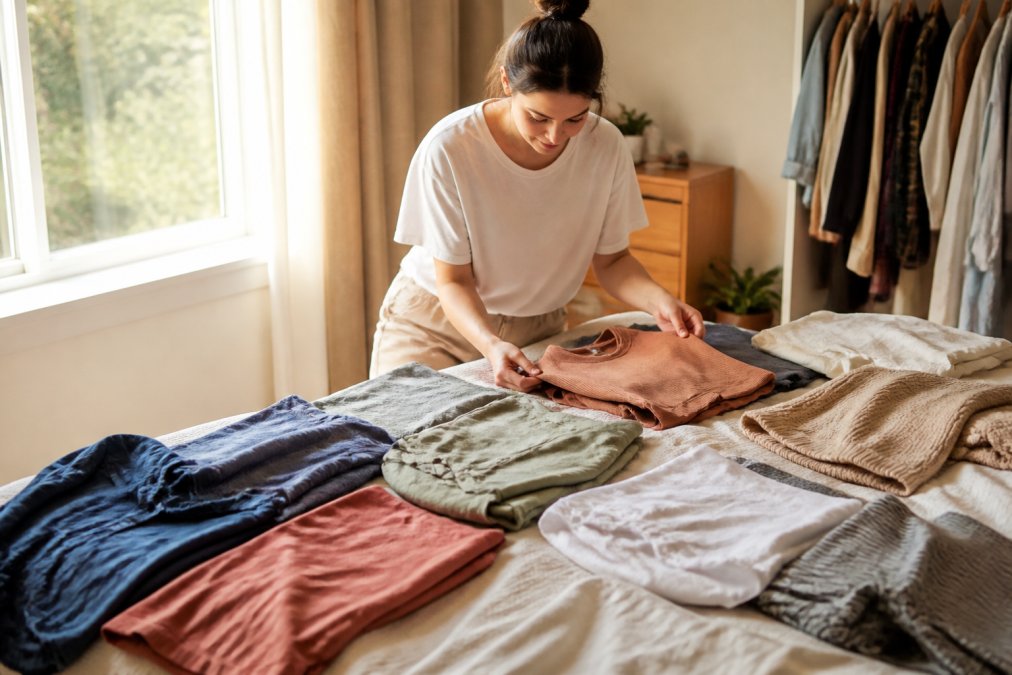
Set aside a few hours to pull everything from your closet. Try on each piece and honestly assess whether it fits, flatters, and makes you feel confident. Separate items into three piles: keep, donate, and repair.
As you sort, notice patterns. What colors dominate your wardrobe? What silhouettes do you actually reach for? These observations become your personal style blueprint. Document this audit by taking photos of your kept pieces. This visual inventory prevents duplicate purchases and helps you see outfit combinations you might otherwise miss.
Invest in High-Quality Basics and Timeless Pieces
Quality basics are the backbone of any sustainable wardrobe: well-fitting jeans, neutral t-shirts, simple sweaters, plain button-downs, and classic blazers. When you invest in high-quality basics, you're buying pieces that will last through hundreds of wears rather than falling apart after a season.
Quality basics use better construction: reinforced seams, proper hems, and fabric that maintains its shape. They use natural fibers or high-quality blends that breathe better and age more gracefully than synthetic alternatives. A well-made cotton t-shirt will soften with washing rather than pill or fade unevenly.
Timeless pieces transcend trends. A classic white button-down, a structured blazer, or a pair of dark jeans work across decades of fashion cycles. Building a sustainable wardrobe means prioritizing cost-per-wear over initial price tag. A $80 sweater you wear 100 times costs 80 cents per wear. A $25 sweater you wear five times costs $5 per wear.
Start with neutral colors in your basics: black, white, gray, navy, beige, and brown. These anchor your wardrobe and mix endlessly. Add one or two accent colors that complement your skin tone. This cohesion makes outfit building faster and ensures pieces actually work together.
Build a Capsule Wardrobe Guide
A capsule wardrobe is a curated collection of versatile, complementary pieces that work together to create multiple outfits. Rather than owning 100 items you rarely wear, a capsule wardrobe contains 30-50 intentional pieces that you actually use. This approach directly supports building a sustainable wardrobe because you wear everything more frequently and make more deliberate purchases.
Creating a capsule wardrobe starts with defining your lifestyle. What do you actually do most days? If you work in an office, professional pieces matter more. If you're mostly at home or in casual settings, comfort-focused items make sense. Your capsule should reflect your real life, not an idealized version of it.
Begin with your basics: three to five neutral bottoms (jeans, trousers, skirts in black, navy, or gray), five to seven neutral tops (t-shirts, long-sleeves, simple sweaters), and two to three layering pieces (cardigans, blazers, jackets). Add five to eight pieces in colors or patterns that reflect your personal style. Include shoes strategically: everyday comfortable shoes, professional shoes for work, athletic shoes for exercise, and one or two statement pieces for dressing up.
Document your capsule by creating an outfit formula guide. Write down five to ten complete outfit combinations using your pieces. This visual reference prevents decision fatigue and ensures you're actually wearing everything.
How to Shop Secondhand and Thrift Effectively
Secondhand shopping is one of the most impactful ways to build a sustainable wardrobe. Used clothing requires no new resource extraction, no manufacturing, and no shipping from factories. The environmental benefit of buying one used item equals the environmental impact of buying roughly seven new items (peer-reviewed research).
Successful thrifting requires strategy. Before visiting a thrift store or browsing online, review your capsule wardrobe plan. What specific gaps exist? What colors coordinate with pieces you already own? This focus prevents impulse purchases and ensures secondhand finds actually integrate into your wardrobe.
Visit thrift stores regularly in your area. Inventory changes constantly, so frequent visits increase your chances of finding quality pieces. Learn which stores near you stock better quality items. Explore online platforms too: resale sites, Facebook Marketplace, and clothing swap communities offer different selections and convenience.
Inspect secondhand pieces carefully before buying. Check seams for damage, look for stains or pilling, test zippers and buttons, and try items on if possible. A garment with minor issues you can repair might be worth buying. Build relationships with thrift store staff. They'll notify you when new inventory arrives or when sales happen.
Choose Sustainable Fabrics and Ethical Brands
The fabrics you choose significantly impact your sustainable wardrobe's environmental footprint. Natural fibers like organic cotton, linen, and hemp require fewer chemicals during production than conventional cotton. They're biodegradable, breathable, and typically last longer. Wool is naturally durable and regulates temperature effectively.
Synthetic materials like polyester shed microplastics when washed and never fully biodegrade (peer-reviewed research). However, some synthetics are necessary for athletic wear. Look for recycled synthetics, which reduce new resource extraction while maintaining performance characteristics.
Avoid materials that require intensive water use or heavy chemical processing. Conventional cotton uses roughly 2,700 liters of water to produce a single t-shirt. Understanding these impacts helps you make more informed choices aligned with your values.
Beyond fabric choice, consider the brand's entire supply chain. Ethical brands prioritize fair labor practices, reasonable wages, and safe working conditions. They're transparent about their manufacturing locations and processes. These practices cost more to implement, which is why ethical clothing typically costs more than fast fashion, but you're paying for actual sustainability.
Research brands before buying. Look for certifications like Fair Trade, GOTS (Global Organic Textile Standard), or B Corp certification. Read brand websites for transparency reports detailing their supply chain. Check whether they publish sustainability goals and progress toward them.
At Nature Works, we believe that wearing your values matters. Our designs spark conversations about environmental protection and conscious living. When you wear apparel created with intention, you're making a statement about the future you want to build, and you're supporting a brand committed to that same vision.
Clothing Care Tips for Longevity
How you care for your clothes directly determines how long they last. A t-shirt that survives five years instead of one year reduces its environmental impact by 80 percent simply through extended use (peer-reviewed research).
Wash less frequently. Most clothes don't need washing after every wear. Spot-clean stains, air out items between wears, and wash only when genuinely necessary. When you do wash, use cold water, which prevents color fading, reduces energy use, and is gentler on fibers.
Choose sustainable laundry practices. Use concentrated detergents or detergent sheets that reduce plastic packaging. Avoid fabric softeners and dryer sheets, which coat fibers and reduce absorbency. Line-dry when possible instead of using a dryer. Store clothes properly using wooden hangers for delicate items and breathable bags for seasonal storage.
Address damage immediately. A small hole is easy to mend. A small stain can be treated before it sets. Quick action keeps pieces in your rotation longer.
Repair, Mend, and Extend Your Wardrobe's Life
Repair skills transform how you relate to clothing. Rather than discarding damaged items, you extend their life indefinitely. Basic mending, sewing a seam, replacing a button, or patching a hole, requires minimal skills and inexpensive supplies.
Start with simple repairs. A loose button is the easiest fix: thread a needle, sew the button back securely with several passes through each hole, and knot the thread underneath. A small hole can be hand-stitched closed or patched. A loose seam can be reinforced with a needle and thread.
Invest in a basic sewing kit: needles in various sizes, thread in neutral colors, scissors, a thimble, and a seam ripper. Basics cost under $20 and last years. Learn simple stitches: running stitch for basic repairs, backstitch for strength, and whip stitch for invisible repairs on seams or hems.
Visible mending, deliberately repairing clothes in ways that show the repair, has become a respected practice within slow fashion communities. Colorful patches or contrasting thread become design elements rather than signs of damage. Repurpose damaged items creatively: worn jeans become shorts or a tote bag, a stained shirt becomes a pillowcase or cleaning rags.
Manage End-of-Life Clothing Responsibly
Eventually, even well-cared-for clothing reaches the end of its wearable life. How you handle this final stage determines whether the item becomes waste or resource.
Before discarding anything, exhaust all alternatives. Donate wearable items to thrift stores, shelters, or community organizations. Clothing swap communities let you trade unwanted items with others. Online resale platforms connect your items with buyers who want them. These options keep clothing in use rather than in landfills.
For items genuinely too damaged to wear, textile recycling programs exist in many communities. These facilities separate fibers by type and color, processing them into new textiles, insulation, or industrial materials. Check local waste management resources for textile drop-off locations near you.
Donate to organizations with strong track records of actually distributing items or processing them responsibly. Only donate pieces you'd actually wear yourself. This respect for recipients and organizations makes donations genuinely helpful rather than a way to dump unwanted items.
Consider the lifecycle implications of your choices. A synthetic garment takes hundreds of years to decompose in a landfill. Natural fibers biodegrade within months. Prioritize natural fibers when possible, knowing they'll eventually return to soil rather than persisting indefinitely.
Building a sustainable wardrobe is fundamentally about shifting from consumption to intentionality. It's about choosing quality over quantity, understanding the true cost of clothing, and recognizing that what you wear reflects your values. The practices in this guide work together to create a wardrobe that serves you well while respecting the planet.
Nature Works exists to support this journey. Our apparel is designed to spark conversations about environmental protection and conscious living. When you wear pieces created with intention and care, you're making a statement about the future you want to build. Start your sustainable wardrobe today with pieces that reflect your commitment to a healthier planet.
Frequently Asked Questions
What is the 100-wears rule, and how does it help build a sustainable wardrobe?
The 100-wears rule suggests you should only buy a piece of clothing if you'll wear it at least 100 times. This simple metric encourages thoughtful purchasing and helps you focus on versatile, timeless items that earn their place in your wardrobe. By applying this rule, you naturally gravitate toward quality basics and pieces that work across multiple outfits, reducing impulse purchases and clothing waste.
How do I identify sustainable fabrics when shopping?
Look for natural fibers like organic cotton, linen, and hemp, which are biodegradable and require fewer chemicals to produce than synthetic materials. Check product labels for certifications like GOTS (Global Organic Textile Standard) or Fair Trade. Ask brands about their supply chain transparency and manufacturing practices. Avoid materials like conventional polyester and fast-fashion synthetics that shed microplastics and persist in landfills for decades.
Is it cheaper to buy secondhand or invest in new ethical brands?
Secondhand shopping is typically cheaper upfront and reduces demand for new production, making it excellent for budget-conscious shoppers. However, ethical brands often offer better quality and longevity, which can lower your cost-per-wear over time. The best approach combines both: thrift affordable basics and everyday pieces, then invest in quality ethical brands for key wardrobe staples you'll wear frequently and keep for years.
How can I build a sustainable wardrobe on a budget?
Start by auditing what you own and building a capsule wardrobe around versatile pieces you already have. Shop secondhand for most items, focusing on quality over quantity. Prioritize high-quality basics from ethical brands when you do buy new. Extend garment life through proper care and mending. Swap clothes with friends or participate in clothing exchanges. This layered approach lets you build intentionally without overspending while reducing textile waste.
What sustainable laundry practices help extend my clothing's lifespan?
Wash clothes in cold water, which uses less energy and prevents fading. Wash less frequently by spot-cleaning and airing out garments between wears. Use eco-friendly detergents free of harsh chemicals that degrade fabrics. Air-dry whenever possible instead of using a dryer, which damages fibers and consumes energy. Turn clothes inside out before washing to reduce pilling and fading. These practices preserve fabric integrity while reducing your environmental footprint.
What's the difference between fast fashion and slow fashion?
Fast fashion prioritizes rapid production and low prices, resulting in poor quality, high waste, and often unethical labor practices. Slow fashion emphasizes intentional design, quality construction, and fair wages. Slow fashion brands invest in sustainable materials and transparent supply chains. Choosing slow fashion means buying fewer, better-made pieces that last longer, reducing both textile waste and your environmental impact while supporting ethical manufacturing.