


Table of Contents
- Best Eco Friendly Apparel Brands 2026: What Changed This Year
- Quick Comparison: 7 Eco Friendly Apparel Brands to Watch
- 1. Nature Works: Wearing Your Values as a Catalyst for Change
- 2. Patagonia: The Gold Standard for Supply Chain Transparency
- 3. Tentree: Carbon Neutral with a Concrete Planting Goal
- 4. Pact: Affordable Eco Friendly Clothing Brands Without the Price Tag
- 5. Outerknown: Fair Trade Certified and Circular by Design
- 6. Organic Basics: Non-Toxic Materials and Carbon Neutral Shipping
- 7. Girlfriend Collective: Recycled Polyester and Deadstock Fabric Done Right
- Frequently Asked Questions
Last Updated: September 4, 2026
Best Eco Friendly Apparel Brands 2026: What Changed This Year
The conversation around sustainable fashion has shifted from a niche concern to a central buying criterion, yet "eco friendly apparel" is now so widely used that it often obscures more than it reveals. In 2026, the brands that deserve attention are proving their commitments through supply chain transparency and third-party certification. This guide cuts through the noise to spotlight seven brands setting a new standard, and we'll show you exactly what to look for so your values and wardrobe align without compromise.
A sustainable clothing brand actively minimizes its environmental impact and maximizes social responsibility across the entire product lifecycle. The brands below have moved past organic cotton to tackle circular economy models, fair trade certified factories, and radical transparency. We evaluated each label against strict criteria and included a quick guide to spot greenwashing. Here are the best eco friendly apparel brands 2026 has to offer, ranked by real-world impact.
Quick Comparison: 7 Eco Friendly Apparel Brands to Watch
Selecting a genuinely sustainable brand requires examining the operational details that define a company's true footprint. The brands below excel in specific areas, whether material innovation, ethical manufacturing, or accessibility. Here is a snapshot of how they compare.
| Brand | Core Focus | Key Material | Standout Certification | Best For | Price Indicator |
|---|---|---|---|---|---|
| Patagonia | Supply chain transparency | Recycled down & wool | B Corp | Hardcore outdoor enthusiasts | $$$ |
| Tentree | Reforestation | Organic cotton | B Corp | Climate-focused shoppers | $$ |
| Pact | Affordability | Organic cotton | Fair Trade Certified | Budget-conscious basics | $ |
| Outerknown | Circular design | Recycled nylon | Fair Labor Association | Surf & casual wear | $$$ |
| Organic Basics | Non-toxic materials | TENCEL, recycled nylon | Cradle to Cradle | Minimalist underwear | $$ |
| Girlfriend Collective | Recycled materials | Recycled polyester | B Corp | Activewear & inclusive sizing | $$ |
| Nature Works | Advocacy & conversation | Organic cotton | Focus on planet viability | Wearable environmentalism | $$ |
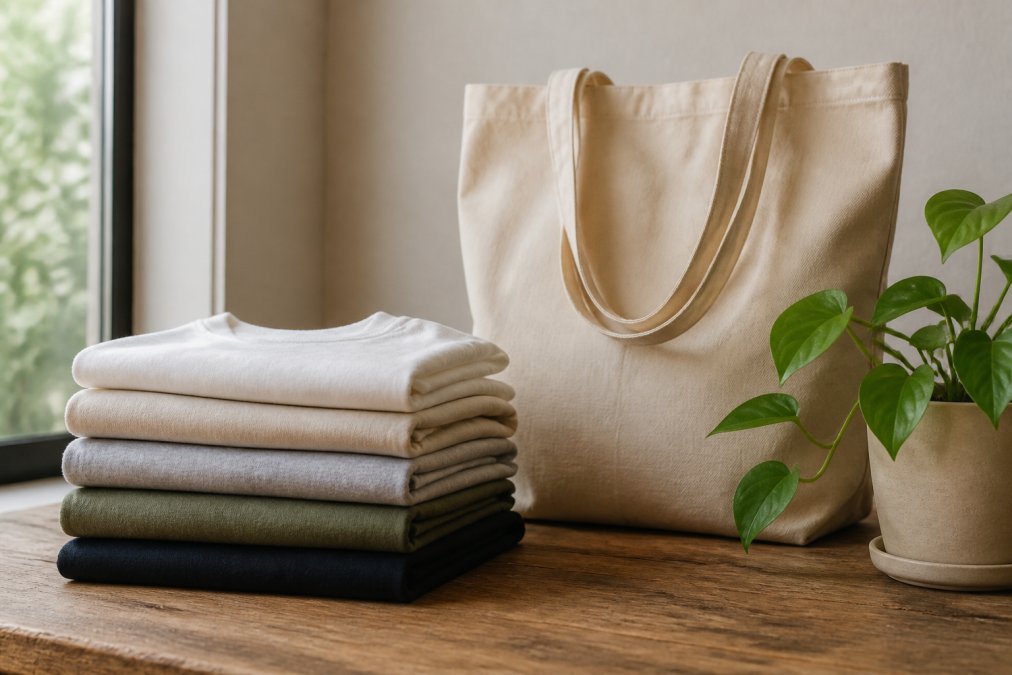
Beyond the Sticker Price: A Cost-Per-Wear Reality Check
The biggest objection to sustainable fashion is price, and it's fair. A $60 Pact t-shirt stings more than a $12 fast-fashion equivalent at checkout. But the math changes when you factor in how long each garment lasts and how often you wear it.
Cost-per-wear formula: Purchase price ÷ number of wears = actual cost per use.
Let's run the numbers on a basic t-shirt:
- Fast fashion t-shirt: $12, lasts 10 washes before fading, pilling, or losing shape. You wear it 15 times total. Cost per wear: $0.80.
- Pact organic cotton t-shirt: $28, holds up for 50+ washes with proper care. You wear it 60 times. Cost per wear: $0.47.
- Patagonia organic cotton tee: $45, designed for years of use with reinforced seams. You wear it 100+ times. Cost per wear: $0.45 or less.
The sustainable option is often half the cost per wear of the disposable alternative. This holds even more for outerwear: a $180 Patagonia jacket worn 200 times over five years costs $0.90 per wear, while a $60 fast-fashion puffer worn 30 times costs $2.00 per wear.
How to Use This Table When You Shop
If you're building a wardrobe from scratch on a tight budget: Start with Pact for basics. Add one higher-priced investment piece, like a Patagonia jacket, only after you've confirmed you'll wear it regularly.
If you're replacing activewear: Girlfriend Collective offers the best balance of recycled materials, inclusive sizing, and durability. Their leggings typically outlast cheaper synthetic alternatives because the fabric density is higher.
If you want your clothing to make a statement beyond its fabric: Nature Works focuses on advocacy-driven graphics that spark dialogue about environmental issues. Tentree's appeal is its reforestation model, every purchase plants ten trees.
If you're a minimalist who hates replacing basics: Organic Basics and Outerknown are your best bets. Both prioritize durability and timeless design over trend cycles. Organic Basics excels in underwear and loungewear; Outerknown is stronger for outerwear and casual pieces that transition between work and weekend.
The Hidden Cost of "Cheap" Sustainable Fashion
One trap we see repeatedly: brands that charge a premium for a single recycled fiber while cutting corners elsewhere. A $40 t-shirt made from 100% recycled polyester still sheds microplastics when washed. A "vegan leather" jacket might use polyurethane, which is petroleum-based and non-biodegradable (the EPA). Always check what the material actually is, and whether the brand addresses its end-of-life.
Our Bottom Line on the Comparison
No single brand wins across every category. Patagonia leads on transparency but costs more. Pact wins on accessibility but offers fewer circular programs. Girlfriend Collective excels in activewear but doesn't cover everyday basics. The right choice depends on your priorities: budget, durability, advocacy, or material innovation.
1. Nature Works: Wearing Your Values as a Catalyst for Change
For those who see clothing as a platform for advocacy, Nature Works stands as our top editorial pick. We transform the humble t-shirt into a canvas for bold, nature-inspired designs that serve as a catalyst for awareness about our planet's future. This is apparel designed to be worn, not just owned.
Our focus is on creating clothing that promotes awareness regarding environmental issues, giving you a way to wear your beliefs without saying a word. Our designs aim to be thought-provoking yet subtle enough for daily wear, from client meetings to weekend hikes. The benefit is a wardrobe that acts as a conversation starter, aligning your style with your social responsibility.
2. Patagonia: The Gold Standard for Supply Chain Transparency
Patagonia remains the benchmark for corporate accountability in the outdoor industry. They have long published a list of their factories and mills, offering an unmatched level of supply chain transparency. Their commitment extends to recycled materials and regenerative agriculture, proving a large company can still lead on environmental issues.
What separates Patagonia is their willingness to challenge consumer behavior, most famously with their "Don't Buy This Jacket" campaign. Their focus on garment longevity and repair, through their Worn Wear program, is a direct counter to fast fashion's disposable culture. They are a powerful example for the industry, even if their price point makes them an investment piece.
3. Tentree: Carbon Neutral with a Concrete Planting Goal
Tentree has built its brand around a simple, measurable promise: for every item purchased, they plant ten trees. This concrete goal gives them a distinct identity and offers a tangible way for customers to feel their impact. They are a certified B Corp and carbon neutral, using organic cotton and recycled polyester (bcorporation.net).
Their strength is making sustainability feel accessible and participatory. The tree-planting focus is easy to grasp and support, which has helped them scale quickly. While their core products are solid, the real value is the reforestation angle, appealing to shoppers who want their purchase to have a direct, positive impact.
4. Pact: Affordable Eco Friendly Clothing Brands Without the Price Tag
Pact proves that sustainable fashion does not have to come with a premium price tag. They specialize in everyday essentials made from organic cotton and are Fair Trade Certified, ensuring workers are paid and treated fairly. This combination of price and ethics makes them a great entry point for those new to conscious consumerism.
The trade-off is a smaller focus on high-tech recycled materials or circular economy initiatives. Their core strength lies in providing basic, comfortable, ethically made staples without the sticker shock. If you're building a sustainable wardrobe from the ground up, Pact demonstrates you don't have to sacrifice your values for affordability.
5. Outerknown: Fair Trade Certified and Circular by Design
Outerknown, co-founded by professional surfer Kelly Slater, brings a distinct perspective rooted in a deep connection to the ocean. They are Fair Trade Certified and emphasize circular by design principles, aiming to keep materials in use and out of landfills. Their use of recycled nylon speaks to their commitment to reducing their footprint on marine environments.
They are particularly strong on social responsibility, with a focus on supply chain traceability and fair labor practices. Their aesthetic leans toward a casual, surf-inspired style durable enough for daily wear. Outerknown is a strong choice for those as concerned with the people making the clothes as with the planet.
6. Organic Basics: Non-Toxic Materials and Carbon Neutral Shipping
Organic Basics focuses on the essentials, creating underwear and basics from non-toxic materials kind to your skin and the environment. They prioritize organic cotton and TENCEL and offset the carbon footprint of their shipping. Their approach strips away the unnecessary, focusing on quality and comfort in the most intimate layer of your wardrobe.
Their commitment is detailed and holistic, covering everything from dyes to factories. This attention to detail makes them a favorite among minimalists. If you're looking to replace your basics with items better for you and the planet, Organic Basics offers a compelling case for starting with what you wear closest to your skin.
7. Girlfriend Collective: Recycled Polyester and Deadstock Fabric Done Right
Girlfriend Collective has made a name for itself by turning waste into high-performance activewear. They are best known for using recycled polyester made from plastic bottles and deadstock fabric. Their commitment to inclusive sizing and ethical manufacturing, alongside B Corp certification, makes them a leader in the activewear space.
They are transparent about their supply chain, and their focus on using waste as a resource is a strong example of circular economy principles. The quality of their leggings and sports bras is frequently praised, proving sustainable materials don't mean compromising on performance or fit.
Choosing where to spend your money is one of the most direct ways to support a more sustainable and equitable fashion industry. The challenge is moving beyond the hype of fast fashion and supporting brands genuinely committed to reducing their environmental impact and treating workers with dignity. Whether you are drawn to the advocacy of Nature Works or the accessibility of Pact, the most powerful step is to buy less, choose well, and make your wardrobe last.
Frequently Asked Questions
What is the most eco-friendly clothing company?
No single brand wins that title, but Patagonia and Outerknown consistently lead because they combine third-party certification with radical supply chain transparency. Patagonia publishes its entire factory list and funds grassroots environmental groups. Outerknown uses Fair Trade Certified factories and circular design. The best eco friendly apparel brands for you depend on your budget and style. Look for verifiable proof like GOTS certification or published impact reports, not vague claims about being green.
How can I verify if a clothing brand is actually sustainable?
Check for third-party certification rather than trusting brand language. GOTS confirms organic fiber processing, Fair Trade Certified covers worker wages, and B Corp verifies overall social and environmental performance. Then look for supply chain transparency: a real brand names its factories or at least its countries of production. Watch for vague terms like 'green' or 'eco' with no data behind them. Ask the brand directly about materials, factory conditions, and what happens to unsold stock.
Are there affordable eco-friendly clothing brands that don't cost more than fast fashion?
Yes. Pact and Organic Basics offer entry-level pricing that undercuts most premium sustainable brands while keeping organic cotton and ethical manufacturing as their baseline. You can also cut costs by shopping secondhand first, then buying fewer new pieces from affordable eco-friendly clothing brands. The cost-per-wear math matters: a $60 organic cotton shirt that lasts 100 washes beats a $15 fast fashion shirt that falls apart after 10.
What certifications should I look for when shopping for eco-friendly apparel?
Start with GOTS for organic fibers, Fair Trade Certified for labor practices, and B Corp for overall corporate accountability. The Climate Neutral or Carbon Neutral label verifies emissions claims. For recycled materials, look for GRS (Global Recycled Standard). No single certification covers everything, so prioritize the issues you care about most. A brand with one strong certification and clear supply chain traceability usually beats a brand claiming to be fully sustainable without any third-party verification.
How does Nature Works contribute to environmental advocacy through fashion?
Nature Works uses apparel as a catalyst for conversation. Each design is meant to spark dialogue about planetary health, from biodiversity to climate action. The brand encourages reflection on personal consumption choices. If you buy from Nature Works, you are not just getting a shirt; you are getting a tool to start conversations about the environment and your role in protecting it.